Kaizen is a Japanese word that means change for the better. In management it describes continuous, incremental improvement made by the people who do the work, every day, using simple methods.
Two forms of Kaizen
- Daily Kaizen: small improvements suggested and implemented by teams as part of normal work, supported by short daily meetings and visual boards.
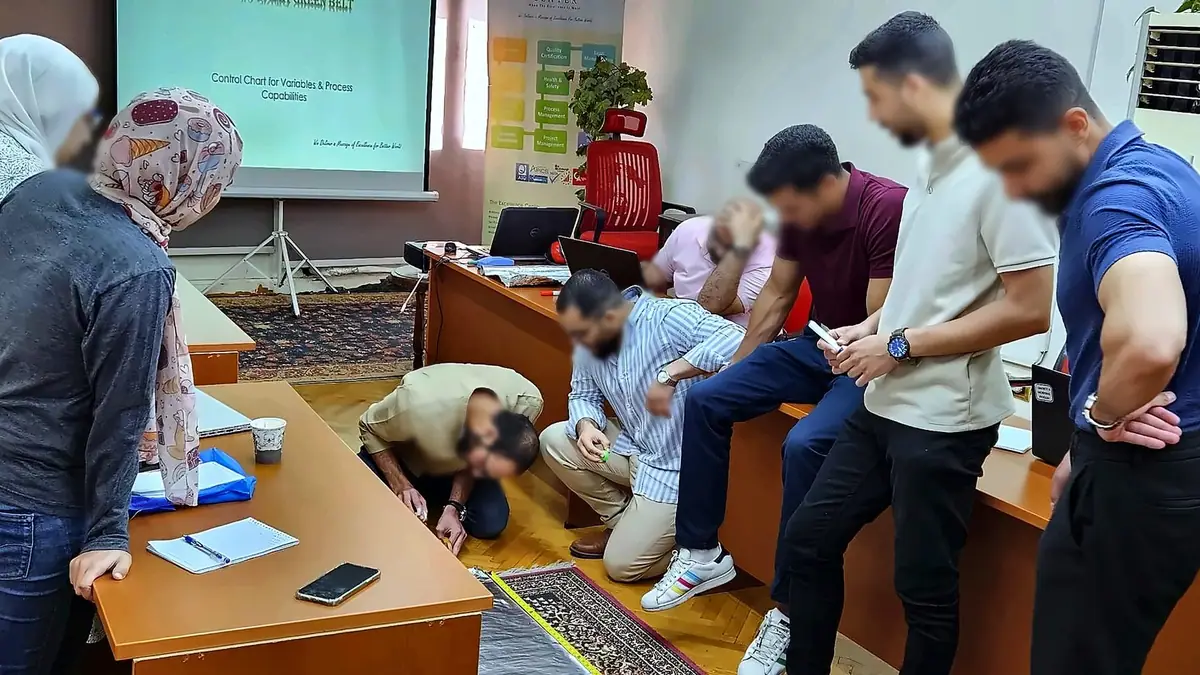
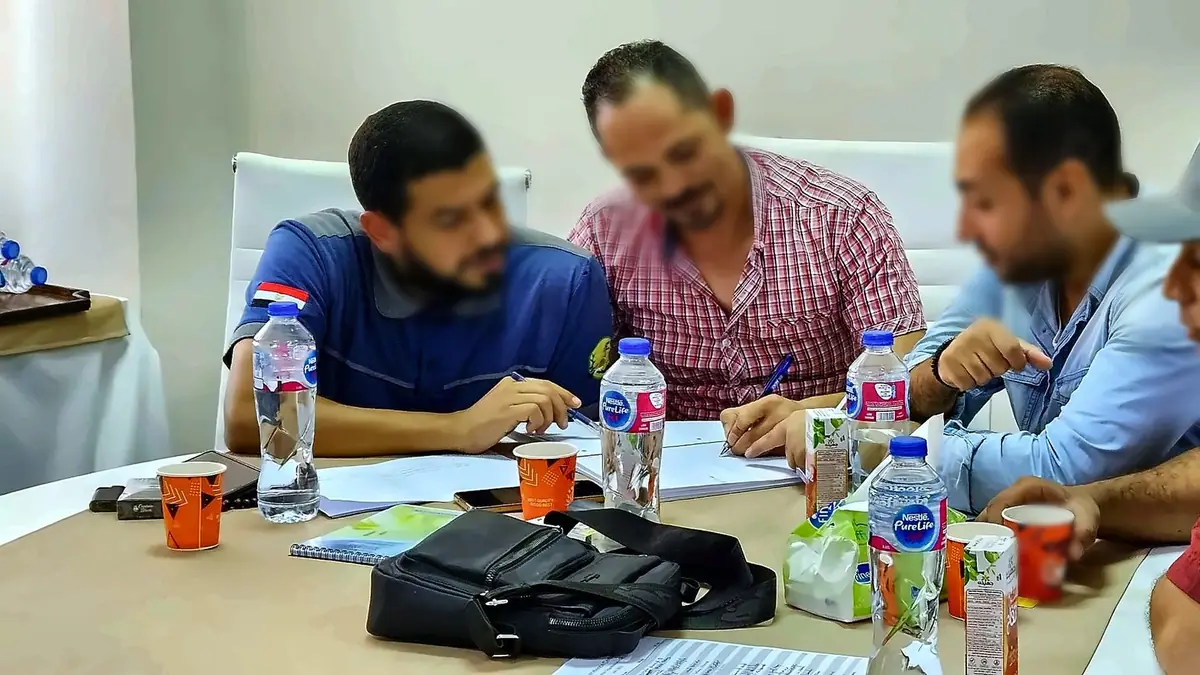
- Kaizen events: focused workshops of three to five days in which a cross-functional team analyses one process and implements changes immediately.
How a Kaizen event runs
- Before: define the scope and target, collect data, choose the team.
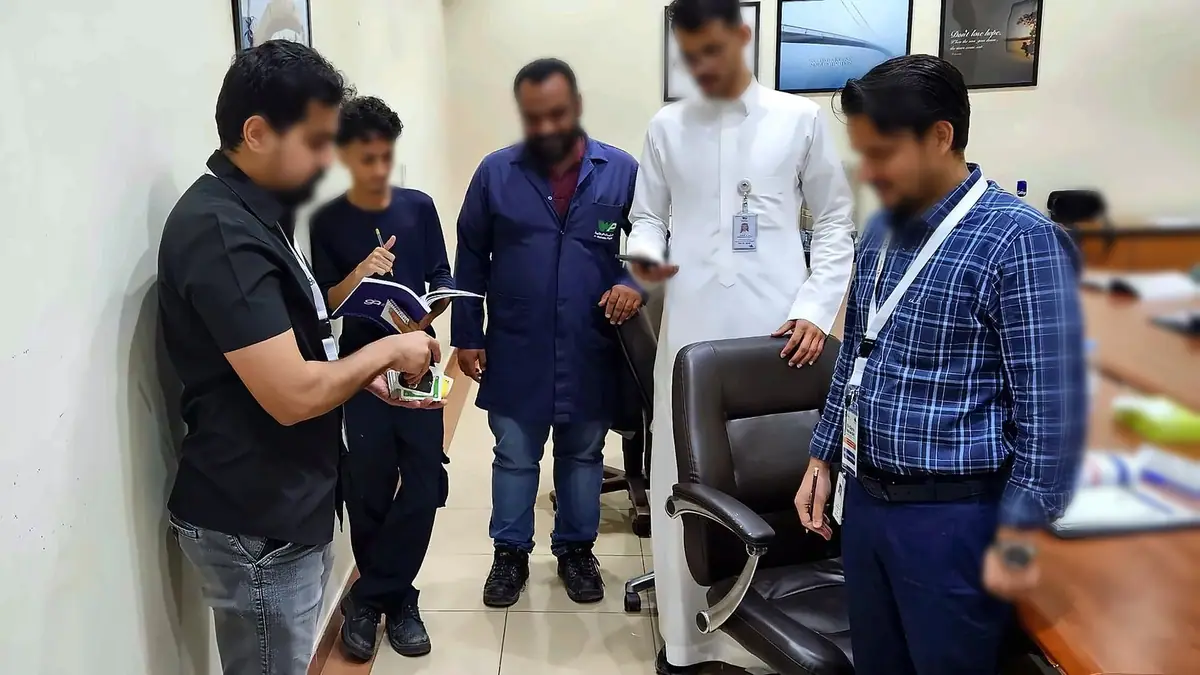
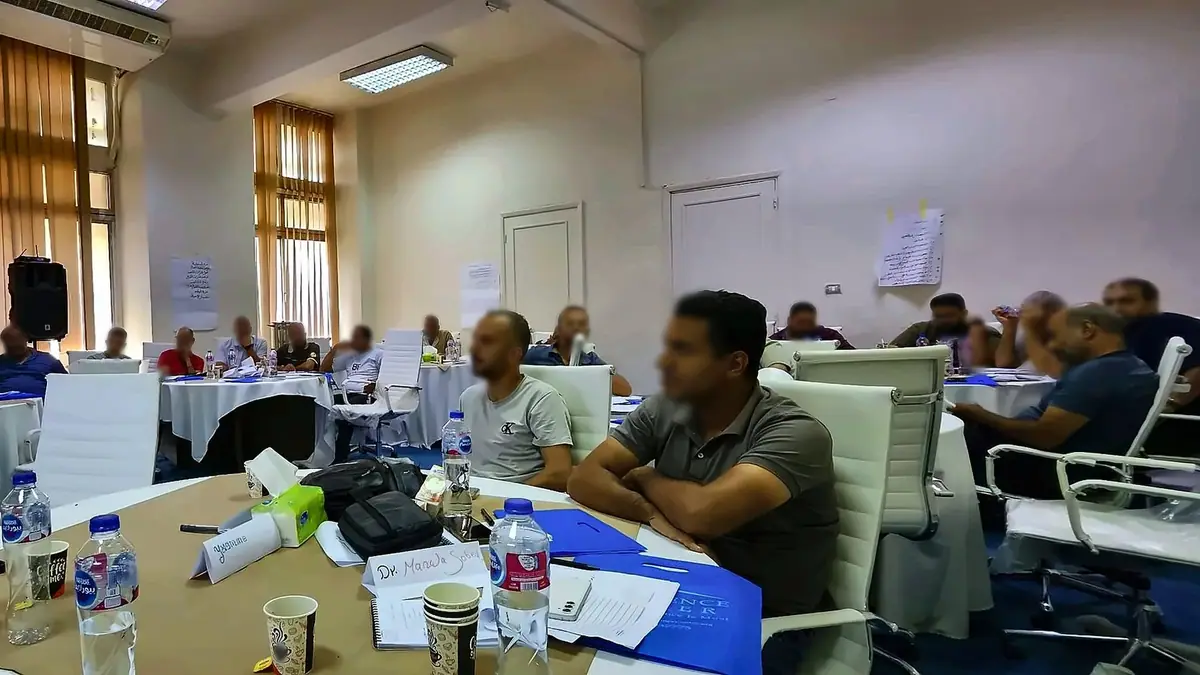
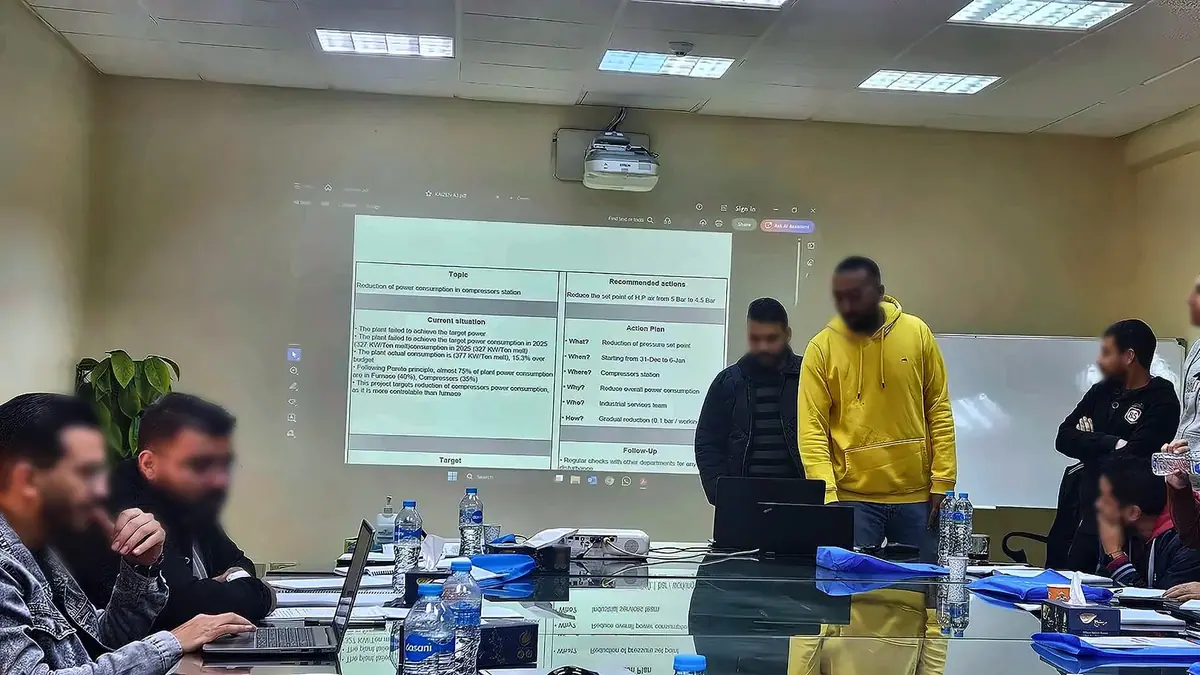
- During: map the current state, identify waste, test ideas on the spot, write new standard work.
- After: follow up open actions within 30 days and check the results hold.
What makes Kaizen stick
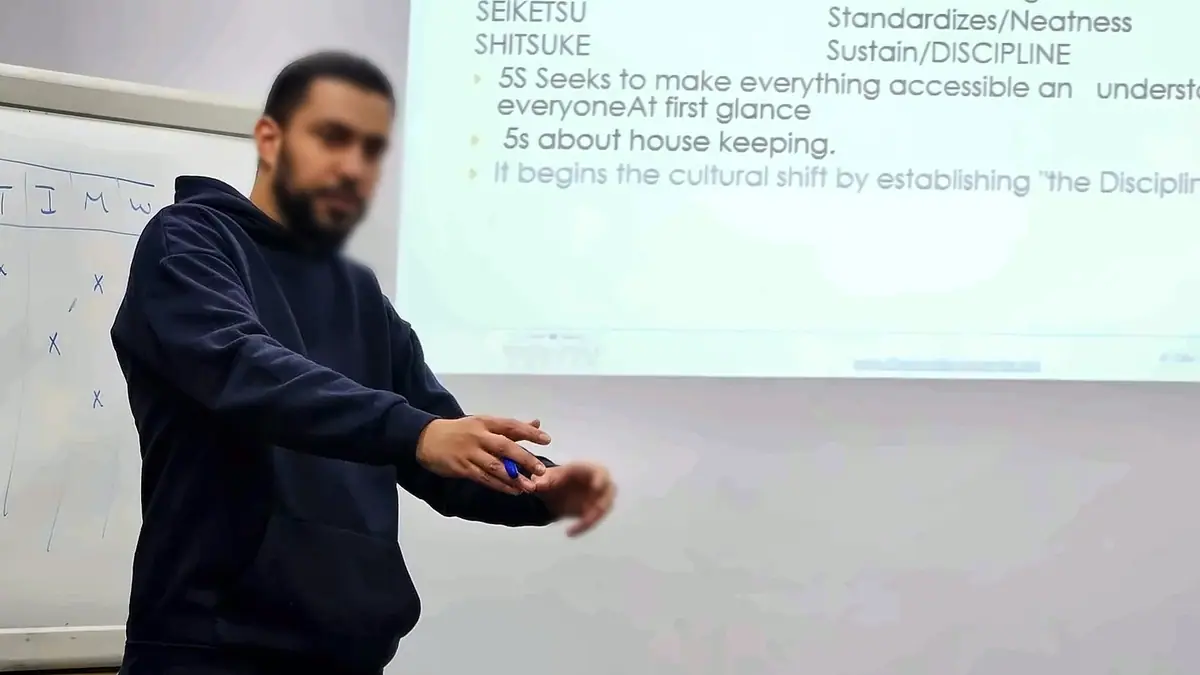
Leaders go to where the work happens, ask questions instead of giving answers, and respond quickly to suggestions. Standard work is the starting point for each improvement: without a standard, there is nothing to improve on.
Kaizen and PDCA
Every Kaizen follows the Plan-Do-Check-Act cycle: plan a change, try it, check the result against the target, and either standardize it or try again.